Build a nursery set that fits your room and routine
A coordinated nursery is more than matching finishes. The most practical setup combines the right crib, useful storage, comfortable movement space and furniture that can support changing family needs.
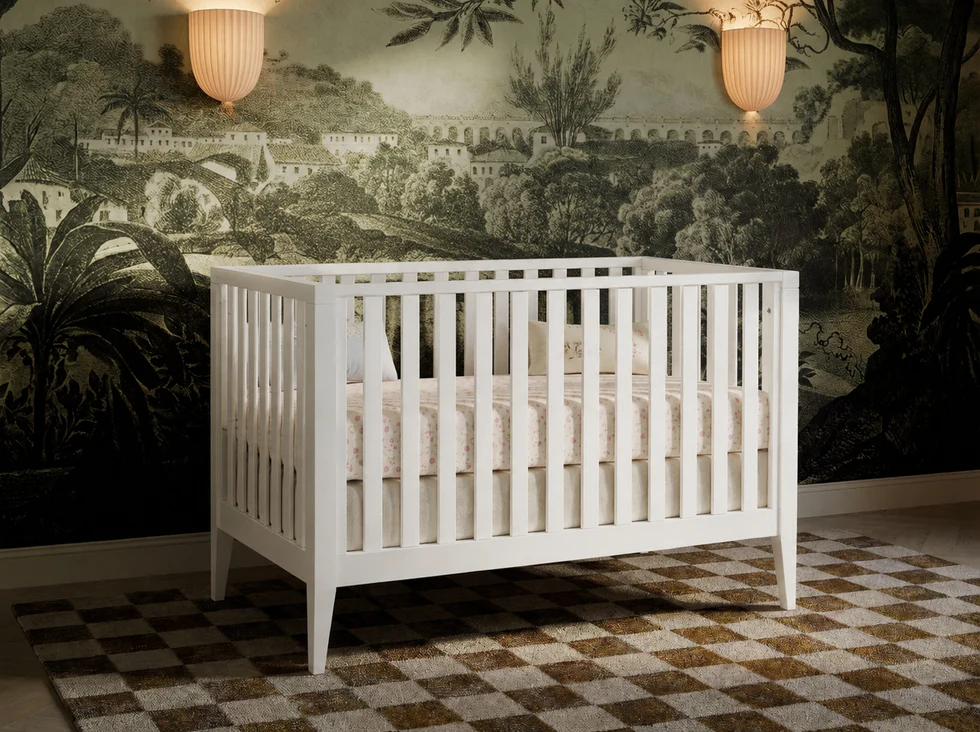
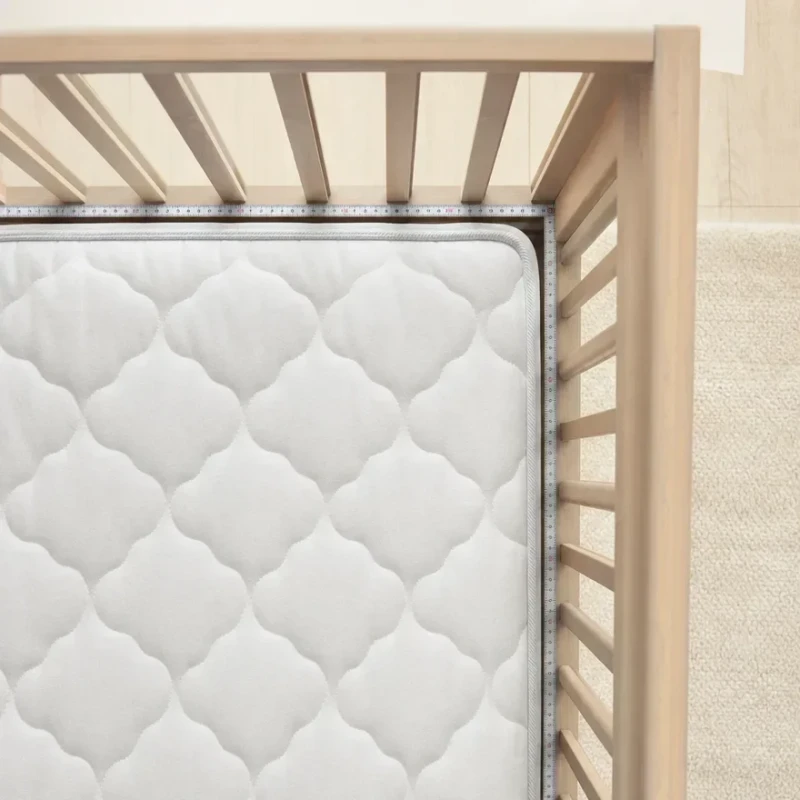
A useful nursery set begins with the furniture the room and family actually need—not simply the largest available package.
Many nursery sets combine a crib with a coordinating dresser, storage piece or mattress. Other collections allow the individual pieces to be selected separately. Exact contents vary, so the product listing should always be checked before ordering.
For a compact bedroom or Toronto condo, a crib-and-dresser combination may provide the essentials without overwhelming the room. A larger nursery may have space for additional storage, seating or future conversion pieces.
The best order of decisions is usually: confirm the crib, calculate the remaining floor space, decide how much closed storage is required and then compare finishes. This prevents a matching collection from becoming impractical once drawers, doors and a glider are in use.
Give every nursery activity its own clear area
Thinking in zones makes it easier to compare furniture packages without losing sight of how the room will be used every day.
Sleep zone
Begin with the crib’s complete exterior dimensions. Allow for mattress-level changes, access to the crib and placement away from windows, reachable cords and climbable furniture.
Changing and storage zone
Assess dresser height, top surface, drawer capacity and the space required for fully opened drawers. Keep regularly used items organized without crowding the crib.
Comfort and movement zone
Preserve a clear route between the door, crib and dresser. Account for the full movement of any glider, swivel chair or recliner rather than measuring it only in the upright position.
Choose the pieces that solve real nursery needs
A package can simplify finish matching, but value depends on whether each included piece will be useful in the available room.
- Review the exact package contents
- Check every exterior measurement
- Confirm mattress inclusion separately
- Identify model-specific conversion parts
- Plan delivery access before ordering
Crib
The primary piece and the starting point for mattress, placement and future conversion decisions.
Dresser
Closed storage for clothing and nursery supplies, with drawer dimensions and wall anchoring included in the plan.
Mattress
May be included in selected packages or sold separately. Compatibility should be checked against the exact crib model.
Additional storage
Chests, hutches or bookcases can add capacity but require more wall and floor space.
Conversion components
Toddler rails, bed rails or other model-specific pieces may be required for later configurations.
Glider or recliner
Often purchased separately and best evaluated using both its upright and fully extended footprint.
Which nursery setup fits the room?
These are planning categories rather than fixed product bundles. The exact contents of any nursery set must be confirmed separately.
| Configuration | Typical components | Works well when | Measure carefully | Confirm before purchase |
|---|---|---|---|---|
| Essential setup | Crib plus existing or separate storage | The room is compact or a suitable dresser is already owned | Crib footprint and access around it | Mattress compatibility |
| Two-piece set | Coordinating crib and dresser | Matching finishes and practical storage are both priorities | Open drawer depth and wall space | Exact dresser and crib models |
| Three-piece package | Crib, dresser and mattress or storage piece | Most main nursery items are being selected together | Complete combined floor plan | Whether the third piece is included |
| Extended collection | Crib, dresser and additional coordinated furniture | The room is larger and substantial storage is required | Doors, closets and movement routes | Which pieces are sold separately |
| Convertible plan | Convertible crib with future conversion components | Longer-term furniture use is part of the initial plan | Future bed footprint and mattress size | Required rails, kits and compatibility |
Calculate the basic floor area
Enter the room’s wall-to-wall measurements. The result is only a starting point; doors, windows, closets and furniture movement still need to be plotted separately.
Room perimeter
Record each wall separately when the room has alcoves, columns or an irregular shape.
Entry route
Measure doors, hallways, stairs and turns along the expected furniture delivery path.
Fixed obstacles
Mark windows, closets, vents, radiators, outlets and baseboards that affect placement.
Furniture in use
Add the space required for drawers, cupboard doors, recliner extension and comfortable access.
Future configuration
When considering a convertible crib, record the dimensions of later bed configurations as well.
Leave space for furniture to work properly
A layout can appear open on paper while becoming crowded after a dresser drawer, closet door or recliner is extended. Plot the furniture in its active position, not only its closed position.
Keep the crib away from windows, accessible window-covering cords and furniture that could later be used for climbing.
Anchor dressers and other applicable nursery furniture using the manufacturer’s instructions and suitable wall hardware.
Maintain a direct walking route from the room entrance to the crib without navigating around open drawers.
Position frequently used storage where it can be reached without stretching across or placing loose items in the crib.
Confirm that a changing accessory, when used, is specifically compatible with the selected dresser and installed as directed.
Consider how the layout will change as the mattress support is lowered or the crib converts to another configuration.
Make the major choices in a practical sequence
A clear order reduces the chance of selecting coordinated pieces that compete for the same wall or movement space.
Select the crib type
Standard, compact or convertible requirements shape the rest of the room plan.
Choose the storage level
Compare drawer count, usable capacity, height and complete dresser depth.
Confirm the layout
Plot each furniture piece and its full working clearance in the measured room.
Coordinate the finish
Finalize colour, wood tone and hardware after the functional pieces have been chosen.
Coordinated does not have to mean identical
A nursery can feel intentional when the furniture shares one or two visual elements, even when every item is not from the same collection.
Light neutrals
White, cream and light finishes can keep a compact room feeling visually open.
Natural wood tones
Repeating a similar warm wood undertone can help separate pieces feel related.
Soft grey finishes
Grey and muted finishes can create contrast without requiring every surface to match.
Two-tone combinations
A shared white, natural or hardware detail can connect two-tone furniture throughout the room.
Complete these checks before ordering
Mark each item as it is confirmed. The checklist is stored only for the current browser session and does not send information anywhere.
Turn the room plan into a practical furniture shortlist
Review nursery sets and coordinating pieces after confirming your room measurements, preferred crib type, storage needs and future conversion plans. Availability, package contents, finishes and delivery eligibility should be checked on each current product listing.
Visit for MoreCompare the real scale of nursery furniture
Baby & Kids Furniture Warehouse has served families since 1995 and operates a 10,000 sq ft Toronto showroom. Viewing cribs, dressers, nursery sets and seating in person can make furniture scale, finish and storage capacity easier to compare.
Families outside the Toronto area can use the same planning process before ordering eligible products for delivery across Canada. Product eligibility, destination coverage, timing and delivery conditions should be verified for the exact order.
Nursery furniture set FAQ
Use these answers as a planning reference and verify all product-specific details on the exact crib, dresser, mattress or package listing.
What is normally included in a nursery furniture set?
A nursery furniture set may combine a crib with a coordinating dresser, storage piece or mattress. Contents vary, so review the exact product listing before ordering.
Should a crib and dresser match?
They do not have to match, but coordinated pieces can make finish selection and room planning simpler. Safety, measurements, storage capacity and everyday function remain more important than an exact visual match.
How should I measure a room for a nursery set?
Record the room length and width, doorways, windows, closets, heating units and the exterior dimensions of every furniture piece. Include space for open dresser drawers and chair movement.
Can a dresser be used as a changing surface?
Some families use a compatible changing accessory on a suitable dresser. Confirm the dresser and accessory instructions, dimensions and installation requirements before use.
Do convertible cribs require additional parts?
Conversion requirements vary by crib model. Some configurations may require model-specific rails, kits or additional mattresses that are sold separately.
Should nursery dressers be anchored to the wall?
Nursery furniture should be assembled according to the manufacturer’s instructions and secured using the appropriate anchoring method for the furniture and wall.
Is a larger nursery furniture package always better value?
Not necessarily. A package is useful only when the included pieces fit the room and support the family’s storage and furniture needs. Compare the set contents with the cost and practicality of selecting individual pieces.
What should I bring when visiting a nursery showroom?
Bring the room dimensions, doorway measurements, photographs of fixed room features and details about any crib, mattress, dresser or chair already owned.